
Build an approval‑ready credit profile
Understand what’s driving your credit decisions, identify items that may be unfair or inaccurate, and take a structured next step toward stronger approvals and better terms.
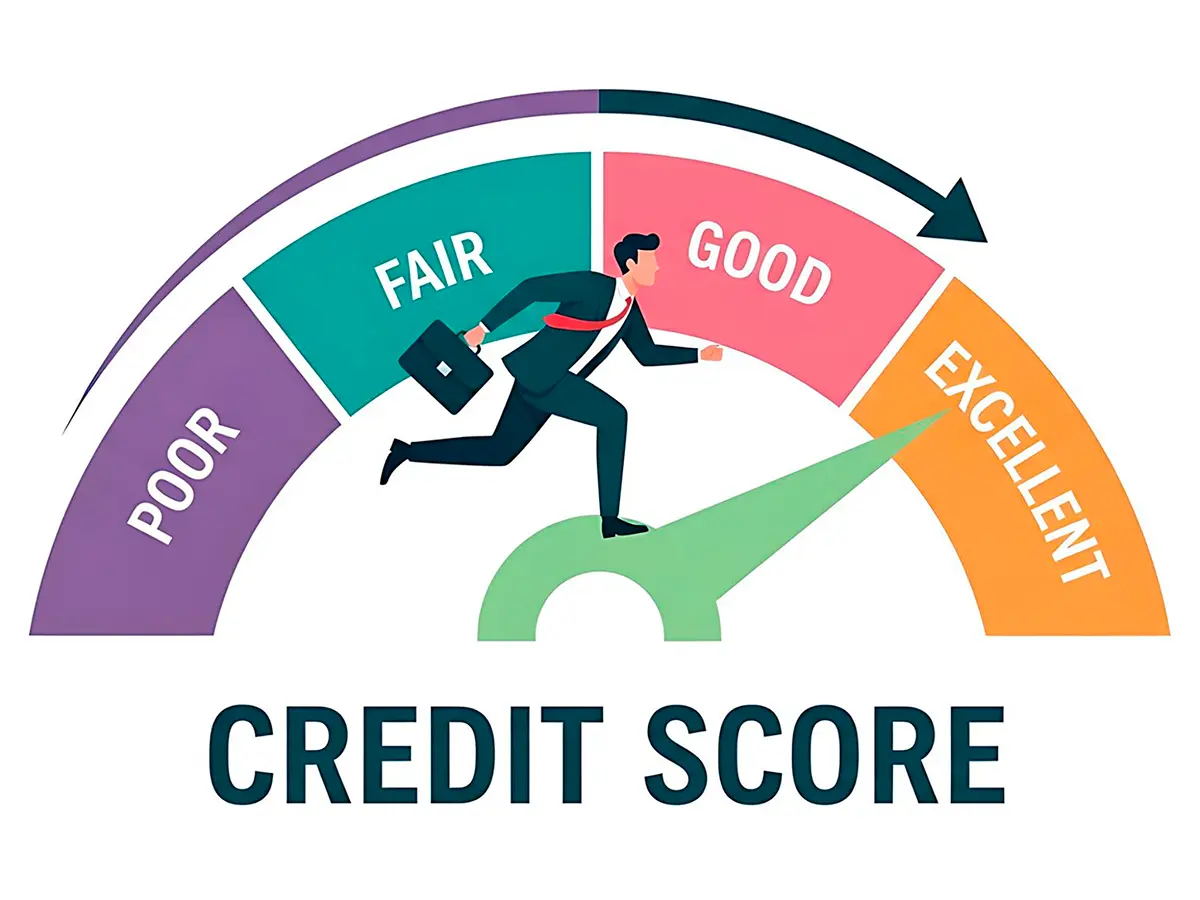
Built around established U.S. credit reporting practices and dispute procedures under the Fair Credit Reporting Act (FCRA). No unrealistic promises—just clarity, documentation, and structured credit improvement.
Unlock more options
Choose the outcome you care about. We’ll outline what improves it—and what to watch for—so you can move forward with confidence.
Your path to stronger credit
A stronger credit profile can mean better approval odds, improved loan terms, and more financial flexibility. Get a clear, no-fluff overview of what credit improvement can help you achieve — then take the next step when you're ready.
Credit decisions in the U.S. are typically influenced by payment history, utilization ratios, account age, recent inquiries, and the accuracy of reporting across major credit bureaus.
Even small inconsistencies can affect lending algorithms. A structured credit improvement approach focuses on verified data, responsible usage patterns, and consistent financial behavior.
*Results vary. This page does not guarantee outcomes.
How it works
A straightforward workflow used by reputable credit‑support programs: review, challenge what’s questionable, and build stronger habits while updates are processed.

Review your starting point
Clarify your goal and look at what’s currently affecting approvals and terms.

Identify what can be challenged
See what information is typically needed, what to expect next, and how the workflow usually looks.

Move forward
Continue to explore available options and take the next step toward better credit outcomes.
how to improve credit without chaos: a calm plan
See what lenders see
Start by pulling your full credit reports from the three major bureaus and checking your current scores. Look for late payments, high balances relative to limits, and any items that don't belong to you. Jot down dates, balances, and contacts - you're building a quiet, steady map.
- Payment history: on-time vs. late, with recent matters most.
- Utilization: your balance-to-limit ratio; lower is better.
- Age and mix: older, diverse accounts add stability.
- New inquiries: too many, too fast, can dip scores temporarily.
Actions that move the needle steadily
- Automate on-time payments. Set autopay for at least the minimum on every account, then schedule an extra payment for principal reduction. One missed due date lingers; predictable on-time marks stack in your favor.
- Lower utilization quickly. Aim under 30% on each card, with 10% as a stretch goal. Make a mid-cycle payment before the statement cuts so the reported balance is lower. You can also request a credit limit increase; sometimes it triggers a hard inquiry, so pause and ask the issuer first.
- Build a simple, repeatable history. Put a small recurring bill on one card, keep it paid down, and let it season. If you're rebuilding, a secured card or being added as an authorized user on a well-managed, low-utilization card that reports to all three bureaus can help.
- Dispute clear errors. If an account is not yours or a paid item shows as unpaid, file a dispute with documentation. Expect about a month for investigations. Keep copies, stay calm, and follow up.
- Be deliberate with new credit. Apply only when it serves a clear purpose. Space applications a few months apart. For rate shopping on big loans, cluster inquiries within a short window so scoring models read it as one intent.
- Tackle balances with a plan. Choose avalanche (highest rate first) or snowball (smallest balance first). Commit for 90 days, track momentum, and then reassess. Consistency beats heroics.
A quick real-world checkpoint
At the pharmacy counter, I almost applied for a store card for the instant discount - I paused. Instead, I paid a mid-cycle amount on my main card that night and set autopay. The next month, utilization fell and my score nudged up 18 points, enough to shave a bit off my auto insurance renewal. Small, calm moves add up.
Timeline and expectations
Utilization improvements can show after the next statement reports. Disputes often resolve in 30 - 45 days. A new positive account may take 3 - 6 months to feel meaningful. Late payments fade with time, but recent discipline matters most. Think quarters, not weekends.
Keep the gains
- Prefer keeping old, fee-free accounts open to preserve age.
- Avoid co-signing; you inherit the risk and the reporting.
- Review reports at least annually to catch drift early.
- Build a small cash buffer so surprises don't become missed payments.
- Before a major application, keep balances extra low for two cycles.
If you slip, stabilize fast
If you miss a payment, pay immediately and call the lender; a courtesy adjustment is possible, and at minimum you stop additional damage. For collections, get agreements in writing and aim for accurate updates after payoff. Credit rewards steadiness; quiet, repeated wins will carry you forward.
You do not have to pay for "credit repair" to improve your credit. You can get free credit counseling services from a HUD- certified housing counselor or do ...
There are ways to raise your credit score fairly quickly. Some steps take as little as a few minutes.
Increasing your score can make a big difference in getting your mortgage approved and determine if you qualify for the best interest rates.
Frequently asked questions
A clear next step — without the guesswork
See what’s impacting approvals and what may deserve a closer look.
Understand how disputes are structured and what documentation matters.
Improve utilization, consistency, and long-term credit stability.
See what improving your credit could change
Take a structured next step based on your current profile — and decide with clarity.